READ

PURPOSE FUELS PASSION AND PASSION IS ADDICTIVE

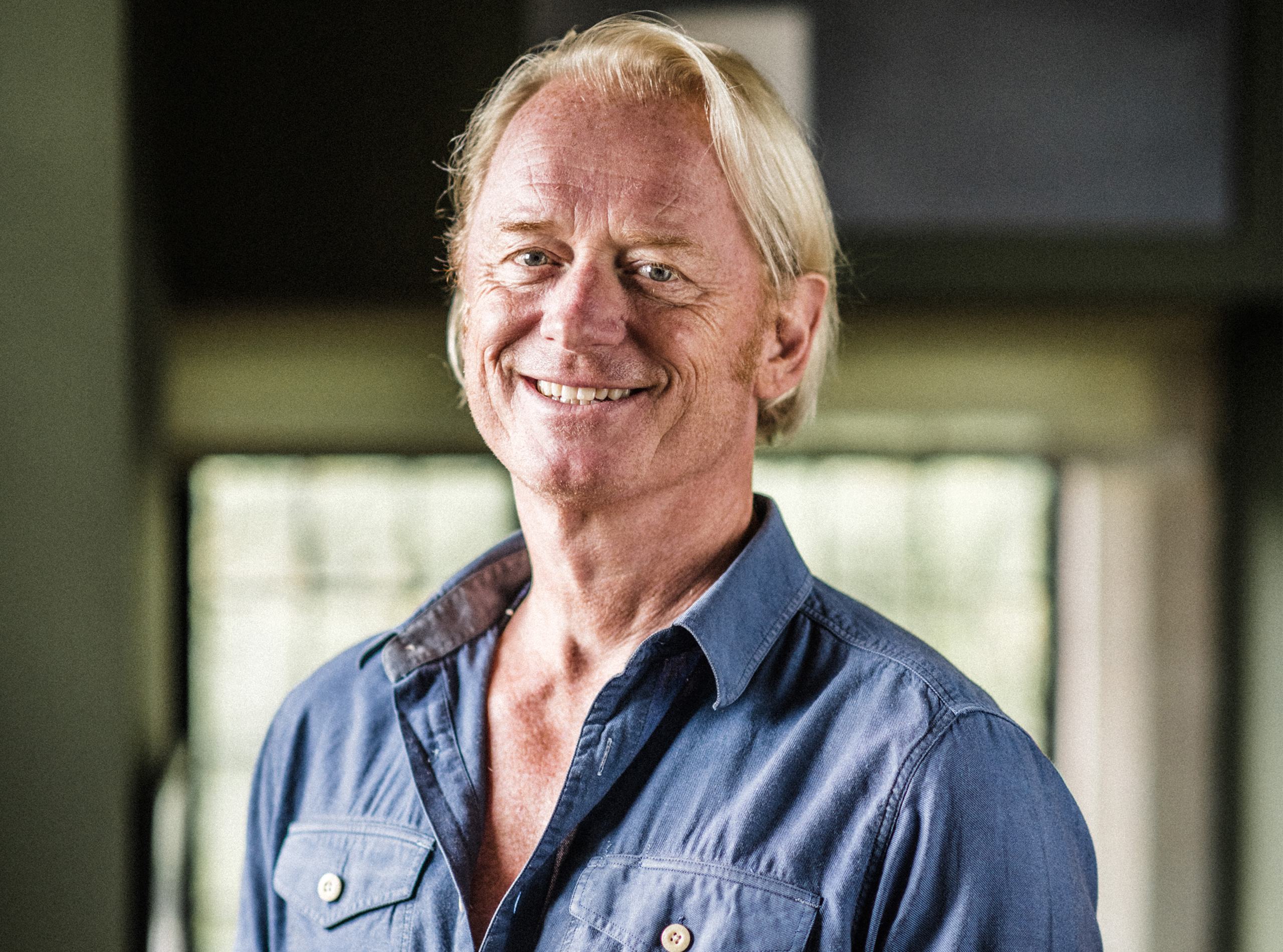
Special Blog Contributor: Dave Alder, President – Entertainment and Media

“Passion” – one of the most overused terms in business without a doubt. Almost every brand celebrates passion on its list of values. Yet in our personal lives, it’s a rarely used word – almost antiquated. “I feel a raging passion for you!” I’d be scared if I was on the receiving end of that one. Restraining order please.

So why is passion so commonly attached to the DNA of many brands? And what does it really mean?

Passion can’t be plugged into a brand or an employee. It may be in the company’s brand book, or the staff orientation guide, but that doesn’t matter. It’s a value that’s organic and from the heart. And it’s linked to another overused, but more realistic word – “authenticity”. Passion has to be authentic. It can’t be faked.

I recently received a call from a recruiter representing Yahoo! In the course of a five minute phone call, she told me that passion was a must, but she also said that an MBA and an education from an Ivy League school was ideally required. Sure there are passionate folks who come from such a background. But if passion is truly key, this approach to recruitment, and therefore to the brand, is flawed.

There’s a big difference between being driven and being passionate. Passion comes from the heart, not the mind. So by excluding so many passionate folks in favor of a smaller pool made up of largely privileged graduates, the company is reducing its passion pool. Passion from the heart can open up the mind so wide that it can absorb the formal components related to the role. On the flipside, it’s much harder to take a purposeful or driven career builder and inject them with passion.

I am the former CMO of the Virgin Entertainment Group. I graduated from a reasonable university in the UK, but my passion overrode my career drive. I knew that if I indulged and focused my true passion, life would work out. And for me, that passion was all things music and media. So instead of applying to a million companies, I spent my time looking for one or two businesses that valued passionate people in their ranks. I recognized Virgin as one such brand, and Richard Branson as a passionate man who believes that a passionate culture leads to success. I became a sales assistant and then a display assistant at his retail chain for £45 a week. If I could use my passion to the best effect, I knew it would be recognized as an asset for the brand. And it worked. I was running all marketing activity for the UK and Ireland within two years. In my case, passion prevailed.

Passion is inextricably linked to culture. The two go hand-in-hand and are completely reliant on each other. And there lies the addiction component. It’s the point of intersection between personal passion and the vision of a brand that places a huge emphasis on culture. Brands that celebrate and reward the impact of personal passion on achieving the company’s vision lead to success.

Sure, other factors are vital for success. But the passion of an individual can have a massive effect on those around him or her. It can’t be injected into others, but it can inspire them, and once organically absorbed, it can become addictive to not only internal teams, but also to the company’s customers.

A great example of a passionate brand is Whole Foods. Just walk into their stores and you can feel an authentic sense of personal passion and expression at all levels, which is the basis of Whole Foods’ unique cultural and brand differentiation.

There are other examples, but not many. Some categories are wide open for someone to take the lead. In these times of changing values in American society, businesses must start to think seriously about how true organic passion can be nurtured, celebrated and shared. As consumers, most of us could use a bit more of it in our lives. We want to feel good in our heart as well as our mind and our wallet. And that leads to loyalty.

UNCOMMON SENSE OBSERVATIONS

Passion can’t be created, it comes from within. Unlock what you’re truly passionate about and you’ll be able to make others passionate about it too.

Passion and logic rule two different sides of our decision making process. Allow both sides to inform your thinking and balance a tendency to lean on one too much with experimentation towards the other.

Passionate leaders can inject passion throughout organizations when they share what they care about. They can turn people on in ways that other leaders never will.

Celebrate and reward the people around you that act on their passion–in every aspect of life. Let them be the examples to fuel passion in others.

Look for examples of passionate companies around you and explore how passion fuels them. There’s a lot to be learned from the people around us.

The Tom Show: An Uncommon Sense Guide to Personal Branding

After leading a global innovation summit a few weeks ago, I was lucky enough to venture out into London for a morning, doing what I love to do in big cities: be a cultural voyeur. Walking through the markets, the squares and arcades I stopped in Covent Garden and joined a crowd watching a young street performer.

The show had just started and about 40 people had gathered around this young lad. He was wearing shorts and a white hooded sweatshirt with “The Tom Show” written in red letters on the front. Very well spoken, Tom had the crowd engaged. He loved his job, and told us that he had no doubt he was going to put on a great show. I watched as he read his audience, knowing who to flirt with, and who to nudge and ask for help. Self-deprecating and awkward in a very courageous way, whether it was dropping five juggling balls or nearly falling off a unicycle with his hands and wrists padlocked together, Tom was putting on an entertaining and memorable show. He was engaging his audience with fast wit, a dash of irony and memorable content.

Watching the Tom Show, I started thinking about my show, where it needs help, where it needs new material, and that you and I are not so different from Tom. We’re all putting on a show, each in our own way every day. People who deliver theirs with conviction and energy always capture the crowd’s imagination and, like a brand, we have an audience that either pays attention and is engaged by our content, or they tune us out and move on. Like the Tom Show, where character, content, courage, personality, purpose and values are all put on display, the crowd votes with their wallets.

Inspired by the brilliance of an artist and performer whose stage happens to be the street, I put together these five Uncommon Sense tips for creating your own personal brand:

1. Identify the type of performer you are and perfect that personality.
Are you serious, entertaining or overly dramatic? Are people engaged in your show, do they pay attention when you’re on stage or do they tune you out?

Southwest Airlines co-founder Herb Kelleher is known for his colorful personality and for cultivating the company’s distinct gung-ho culture. He knew many employees by name, held weekly parties at corporate headquarters and many knew him as “Uncle Herb.” His emphasis on a fun, yet professional, work environment generated a sense of loyalty to the company from employees.

2. Develop a commanding presence.
Put energy and effort into your show so people know you’re there and they connect with your content.

Guy Vaynerchuk, popular wine and social media expert, speaks to his audience with vigor and personality. He is known for his unabashed and energetic persona and commands attention with the confidence that comes from his passion and ability to engage with people.

3. Prepare your content and your story in advance so you can avoid distractions in front of large groups.
Avoid powerpoint, use relevant props, personal animation and well-organized notes to engage your audience.

Take some tips from the funny guy, Conan O’Brien. He is the master of thinking on his feet and being able to improvise when things go awry. Know every counter-argument and criticism to your content so you are able to steer back on track, and don’t be afraid to laugh at yourself.

4. Be unforgettable.
Make an impression each time you put on your show in your own distinct and unique way.

Whether you are a fan of Lady Gaga or not, it is difficult to forget her over-the-top performances and statement-making fashion choices. She creates an element of mystery and surprise after every public appearance and gets people talking about her bold presence.

5. Have you got your appearance right?
Your appearance makes a statement about who you are.

Tom Ford is the master of appearance and detail for men and women. Ellen DeGeneres solidifies her comfortable style with signature staples: sneakers and pants. They both make a statement, but they do it in different ways at different ends of the spectrum.

GOOD HUNTING WILL

We’d like to take this opportunity to congratulate William and Kate on their imminent nuptials, wishing them lifelong health and a meaningful life together. We hope purpose and passion sit at the heart of their relationship and remind them of the amazing opportunity they have to make a significant impact in the lives of their subjects. Bulldog Drummond will be celebrating the Royal Wedding by closing our doors for the day, adorning morning suits and tops hats, and consuming copious amounts of Pimm’s and lemonade. God save the Queen.

WHAT HAPPENED TO EARTH DAY?

“I remember learning about it in grade school. We sang songs, planted trees and participated in clean-ups. There was outrage – rivers were burning and it seemed like pollution was enclosing us from everywhere. There were demonstrations. This year there were messages that we can all buy our way to a nicer planet. Buy new shampoo for Earth Day – buy a new car… just buy something for the planet. Where is the outrage? Where are the protests? Where is the call to action for something to be done?” Catherine Greener, Founder, Cleargreen Advisors.

How do we make every day Earth Day?

TIMELESS INGREDIENTS FOR BREAKTHROUGH INNOVATION: ESCAPISM AND REBELLION

Does the economy drive underlying energy and thus entertainment and fashion trends? In music and entertainment, previous recessions have either led to glitter-drenched escapism or been the catalyst for new rebellious social movements anchored by popular culture.

Just look at the ‘70s. In the first half of that decade, and while the fuel crisis raged and bombs exploded in Vietnam, Uruguay and Northern Ireland, a large portion of Western youth hid its collective head deep in the escapist worlds of Ziggy Stardust, Alice Cooper, Love Story and Young Frankenstein. For many, the problems of the early ‘70s were remote and unconnected to their daily lives.

By the second half of the decade, social and economic decay reached a point where it directly affected everyone through gas prices, strikes and more. Soon, voices emerged from the street, spawning the punk movement. All of a sudden, music and youth culture mattered. They were no longer predominantly about aesthetics—pop culture became a medium to, at least in theory, carry a meaningful message. It had real purpose which opened the door for artistic experimentation and expression like we had never seen before. It inspired fans and helped to shape their own beliefs and actions. Being bold and leveraging social platforms through the arts mattered, for artists and for fans.

But soon the cracks began to appear. The next generation was already emerging. Apathy slowly crept back as the currency of culture, just as it had done a decade earlier when it was realized that the utopia envisioned at Woodstock and in Haight Ashbury would never materialize. Pop culture once again had little substance.

By the time punk morphed into the commercial new wave at the start of the 1980s, people had forgotten that music and fashion could actually matter in the world. The MTV age was even more aesthetically-driven and certainly more insincere and materialistic than even the early ‘70s. Nothing was real. Everything was synthetic, from electric drums in music to 1the lead characters in most movies. There was certainly little humility or authenticity.

The end of the decade brought us hip-hop, another credible force in culture through which to communicate. It spilled into the ‘90s alongside grunge, before again collapsing into the age of the manufactured boy bands.

And here we are at the dawn of a new decade, and a challenging one at that. The cycle is repeating yet again. We are surrounded by branded artists with bold visual and escapist aesthetics like Lady Gaga, Black Eyed Peas and Ke$ha with little substance, albeit an occasional catchy riff or rhyme. So will we see a change in the values and delivery of artist or entertainment brands as the current decade progresses? Will there be a punk movement, a nu-grunge trend or a new politically or socially motivated pop culture landscape? Or is the cycle now broken due to the new models of DIY content generation, distribution and consumption?

I think not. We are in the deepest recession since the ‘30s, facing huge unemployment levels, waging unnecessary wars, looking at an unprecedented environmental crisis, fighting global poverty and much more. And, we are starting to experience all of these challenges personally. So it won’t be long before the cycle once again moves culture into a rallying cry for action. Ke$ha will be forgotten within a couple of years and the spirit of Joe Strummer will be back for the good of us all. And this time, especially through the powers of technology, popular youth culture has the opportunity to make real changes.

UNCOMMON SENSE ONSERVATIONS

Encourage, celebrate and support authenticity

Learn from the past and explore how it can influence the future

Understand the power of music and entertainment as forces for change

FIVE UNCOMMON SENSE LESSONS FROM GUY KAWASAKI’S ENCHANTMENT

An Uncommon Sense Look at Guy Kawasaki’s New Book Enchantment

People are organic, fluid and emotional, while companies are structural, rational and linear (and oftentimes lack a soul). C-suites are acutely focused on the rational, practical, metric outcome side of running a business. Oftentimes they do so without a balance and appreciation for the human side of business—people and relationships between people. While there’s extreme pressure to deliver practical results, people crave guidance to grow as individuals and connect with co-workers and the customers they serve. And if people grow, companies grow. If people connect, relationships are formed and magic can happen.

Enchantment shares an approach to building relationships in meaningful and purposeful ways. Guy explores the tools needed in business to build purposeful, passionate and practical relationships to transform results. He lays out very clear examples of how to apply the learning in practical steps to launch a product, purpose or a cause. He’s reframed emotional intelligence and made it simple for the reader to use these tools to approach relationships in business and in life differently. Guy’s advice is practical and relevant so it can be applied it in day-to-day life, from setting and managing expectations, to effectively using social media and technology to build meaningful connections with people.

Guy makes a compelling case for emotional connections and, unlike most business books, his recommendations and gentle guidance are easy to adopt. He weaved his own experiences and stories into relevant sections of the book without being indulgent or self-interested. As a writer, Guy has empathy for the reader, and writes with humor and a tinge of irony. His subtle references to Apple and his general expertise as an entrepreneur, investor and world traveler add welcome and credible breaks throughout the book. He’s done a really nice job of deconstructing a lot of practical issues we face in business and made them about people first.

In today’s process-hungry world, complexity and over complication seem to govern the way most organizations operate. I believe the biggest opportunities can be realized, and the most complex challenges can be solved by using a powerful combination of simplicity, common sense and determination. This lens of Uncommon Sense is what Guy is using to teach  the most important lessons contained in Enchantment:

  1. Make business personal. Invest time to connect with the people you work with.
  2. Manage your audience’s expectations. Whether it’s your boss or your wife, understand what people want.
  3. Plan and prepare. Design what success looks like before you start.
  4. Be an amazing storyteller. Make the stories you tell interesting, relevant and memorable.
  5. Be you. Above all else be authentic, passionate and engaged.

Enchantment is a personal, practical and purposeful guide for anyone in business and uses real people and situations from a wide variety of industries and backgrounds to support each chapter. And if you like tests, there’s a simple one at the end of the book.

MADE TO GIVE: GREAT STORYTELLING MOBILIZES HUNDREDS OF THOUSANDS TO JOIN THE STORY

UNCOMMON SENSE TIPS FOR CREATING A COMPANY THE GIVES BACK

Just out of college in 2003, Jason Russell and his buddies, Loren Poole and Bobby Bailey, decided they’d use their newly acquired film-making talents to go to Sudan in search of the war. But that idea came to an abrupt end when they got there and found the war had ended. They decided to stay and hunt for another story and ended up in Gulu, Uganda where they tripped, camera-first, into the world’s worst case of mass child abuse, abduction, murder, rape and torture. These three American film-makers stumbled on the horror of a community of children who would hide in tunnels and sewers at night to avoid being abducted into an army of brainwashed child soldiers.

The story of how three young men founded Invisible Children illustrates six great tips for creating a company that is made to give:

1. An amazing story moves hearts, minds and money
Joseph Koney’s LRA (Lord’s Resistance Army) had been waging war against the Ugandan government and raping and plundering the villages of Northern Uganda for many years before Jason and his friends got there. Despite the UN being deeply involved, the world at large had no idea this war was being waged on children. Jason, Loren and Bobby became engaged in the tragedy because they could see themselves in the faces of these Ugandan children living in fear of their lives, and as a result, they made a commitment to the children of Gulu to tell their story.

2. Use the talents and treasures you already have
Jason, Loren and Bobby came back to the US and made a short documentary of their discovery and their commitment to end the war. They started touring the US, visiting hundreds of school campuses, sharing their story through the documentary, and inviting kids of all ages to engage and connect with the plight of the children in Uganda through their story. They gave out their DVD, raised money and awareness, and offered an invitation to the students on campus to hold parties to share the documentary and become part of the story and the solution.

3. Seeing yourself in the story is a powerful motivator
These creative activists have been on the forefront of developing and discovering what Jason calls 4D storytelling for the past five years and, in their quest to end a war on children in Uganda, they’ve inspired, engaged and empowered millions of high school and college students to become part of a movement of storytellers and social activists—and raised millions of dollars in the process.

4. Good intentions are not enough, you’ve got to act on them
“We promised them we’d never stop until it was over,” Jason explains. “And we get up every day focused on one thing: ending the war.” He’s quick to point out that this is not a journey of sadness and bleeding hearts, but rather an everyday adventure that bounces you out of bed. “We used to live in a world of self-interest, where you take care of yourself, and don’t really care about the next person. We’re all connected, and these kids in Gulu are our own. Our generation genuinely cares, and at Invisible Children we care enough to never give up.”

5. No risk, no reward
Jason’s dedication is undeniable and has landed him on the couches of the Oprah and Larry King Live shows. He believes that without risk there’s no reward and, unlike the UN who has a zero risk policy, he’s so passionate about seeing an end to this tragedy, that he’s not giving up until it’s finished. Invisible Children’s risks have certainly reaped rewards. President Obama signed a bill into law as a result of Invisible Children’s advocacy and relief work in Uganda, and millions of dollars have funded the support of the Gulu community for education and commerce and the rehabilitation of former child soldiers.

6. Don’t follow the rules and never underestimate the power of simplicity
These champions of social justice are on the front lines of innovating new ways to raise awareness of injustice and are changing lives in the process, both in the US and overseas. Their tireless creativity, well-told stories, their own passion for ending injustice and their joy working with and motivating students has created a powerful movement for millennials. Their model of multi-dimensional storytelling allows people to engage in the issue through a connected campaign of digital media, social events, film and a tiered approach to giving and advocacy that has inspired and motivated many other not-for-profits.


MADE TO GIVE: A NEW PARADIGM IN CARBON-BASED CAPITALISM DELIVERS A TRIPLE BOTTOM LINE

We’re all made to give, and we all have talents that we can use to benefit those who are less fortunate if we put them to good use. There’s a new movement of creative thinkers using their talents to build passion-based businesses embedded with generosity and uncommon sense. These businesses, built around social and environmental responsibility raise millions of dollars, impact hundreds of thousands of lives and engage hearts, hands and minds. Don’t sit on the sidelines admiring these types of businesses; step out and become one. Every company, no matter its size, has the opportunity to unlock the creative energy and passion of its people by focusing on giving back. It can change lives, as well as make very profitable and uncommon business sense.

America has its faults, but there is absolutely no doubt that we are a generous nation, one that cares about those in need. We gave away about $300 billion last year, most of which came from individuals. Compare what we give to just a small portion of the money that fuels the for-profit financial markets. Money under management in private equity firms alone was estimated at $2.5 trillion last year. So moving just 10% of those funds into investment models designed for social impact would double our efforts to help the poor. And what better way to move that money than to offer investors competitive returns? As we explore this fascinating model, think about how you can shift your business model to one that’s made to give.

Do the hard work of studying a market and systemic problems with rigor. The discipline of understanding a market or territory for an extended period of time will give you a fresh perspective that can yield transformational solutions to existing problems.

After studying the carbon markets for a non-profit organization planting millions of trees each year, Paradigm Project’s creatively analytical CEO, Neil Bellefeuille, realized that $125 billion is exchanged through the international carbon markets every year and is expected to grow astronomically over the next two decades. The Paradigm Project was born to identify, fund and develop carbon-related projects that deliver immediate social benefits to communities while simultaneously building environmental and economic value for the future.

Designing solutions for problems that live in a written brief or from the slides of a research deck will never be a replacement for living, and studying the lives of the people for whom you hope to design solutions. Get out in the field and live a day or a week in their shoes.

After investigating a wide variety of projects, replacing open-fire cooking with fuel-efficient stoves proved to be transformational. More than 2.5 billion people (nearly half the world’s population) still cook every meal over an open fire, many in an indoor setting. With far-reaching effects on global climate change, health and the economic well-being of families (1.6 million people die annually from lower-respiratory disease related to indoor smoke and it is the number one killer of children under five-years-old), improving this process presented a significant opportunity for change.

The emissions from open fires and the deforestation associated with cooking fuel use are creating a perilous negative environmental and economic cycle that is difficult to reverse. Fewer trees and hotter temperatures mean less rain and lower crop yields. Lower yields mean more hardship and less disposable income. Less income means more reliance on the land, which is yielding ever-less. Efficient stoves greatly reduce all of these issues. And, if closely monitored, they can produce carbon offsets from the reductions they create in greenhouse gas emissions.

Being conservative is the privilege of those with something to conserve. Look at how you can design opportunities for change and giving back with traditionally conservative products and services. Explore the unexpected with the most conservative and stable products and services in your portfolio, you might be surprised by the upside.

Paradigm Project has developed a compelling answer to these issues: large-scale projects that work with local suppliers to create and sell stoves, monitor their use, register and sell the carbon offsets and recycle the profits back to the project as well as other community needs. It’s a business doing good things and producing a profit by doing so. Families save money and time, and also enjoy health improvements. The environment benefits; jobs are created with local manufacturers, distributors and retailers. Profits pay for the ongoing development costs, adding to the pool of funds available for other needs. It’s the ultimate in sustainable development.  Paradigm’s Kenya project is slated to touch the lives of 25 million people over the next 10 years, and to return an above average internal rate of return to its investors.

The bottom line is no longer the only measurement of success by which companies will be judged. If you haven’t studied the transformational power of the triple bottom line, now’s the time. Investing in new models of measuring success can be transformational internally and externally.

The Paradigm Project has created a connected triple bottom line model which creates jobs through the manufacturing and sales of carbon efficient stoves in the country where the projects are created. They are reducing the output of carbon dioxide into the atmosphere and, at the same time, improving the health of the people using the new stoves. They are reducing the dependency on natural resources, delivering a financial return for both investors in their fund and the communities as well as improving lives. It’s an example of brilliant simplicity at work.

While the institutional measures of financial success are important, there’s an opportunity to innovate around, and deliver on, the triple bottom line—and it isn’t just a nice idea, it’s going to be vital to stay relevant. Explore and understand the investment and innovation opportunities that revolve around sustainable business practices, taking the role your company plays in the greater scheme into account. Reduce both inputs and outputs, and explore how to genuinely demonstrate care and consideration for the people who work for you and the communities you depend on. This will all add up to deliver significant benefits in employee productivity, retention and attraction, and the overall financial performance of the company. Pay close attention to your triple bottom line, and ensure that people, planet and profits are connected.

theparadigmproject.org


GETTING THE LOVE YOU WANT

I don’t know about you, but I’m naturally drawn to people who have a clear sense of purpose and direction in their lives. People who are comfortable with themselves know why they get up every day and what they bring to the world. They are the type of people who effortlessly stand out in a crowd, who seem to float through life on a cloud of optimism and bring an infectious energy to the party, making friends everywhere they go. They’ve figured out their reason for being and follow the adage, “Do what you love and you’ll love what you do”. Brands, like people who have a clear sense of purpose, seem to naturally exude a confidence that inspires a passionate and engaged following. Igniting passion in your own brand is the first important step in getting the love you want from both your employees and customers. There’s no better way to find inspiration than looking out in the world for real-life examples: start with a having clear purpose, and meeting a legitimate underserved need.

There’s a large group of people in the world who love their pets more than they love the people in their lives. Their passionate search for, and loyalty to what they believe is best for their pets, rivals the commitment of a first-time mother. The Honest Kitchen was founded in 2002 by a disillusioned pet owner who began making a home-prepared raw diet for her Rhodesian Ridgeback because she wanted to give him food she could feel good about. While she developed a deeper connection with her dog and a satisfaction from making her pet’s meals herself, she found it time-consuming and messy. So she set out to find a better way to make fresh, healthy pet food. She found the answer was to dehydrate the ingredients so that water could just be added to each meal to turn it back into ‘real food’. Today, her company’s line of all-natural, dehydrated people food for pets, made with whole-food ingredients, sells in more than 2,000 independent pet food stores across the country. The Honest Kitchen’s purpose is to connect the pet owner more closely with the pet through food, and they promise tangible results. It’s clear that their passion internally for pet health along with the loyalty that pet owners have for their products is driving their success in becoming the leading natural dog food brand in the country. The Honest Kitchen identified a real need and developed a brilliant solution. Fired up employees who genuinely love what the company stands for will champion the cause daily.

Lululemon Athletica seemed to quietly enter the retail space a few years ago. Their fame was fueled in part by their connection to the yoga community, and in part by their form-improving, purpose-driven black yoga pants. Rooted authentically in the yoga community, they’ve quietly grown from a fledgling concept to a passion-based brand with a fanatical following. Their first real store opened in Vancouver, BC in 2000 and their idea was a simple one: be a community hub where people can learn about the physical aspects of healthy living from yoga, diet, running, cycling and the mental aspects of living an active lifestyle. Every week, Lululemon stores move their products aside, unroll yoga mats and turn their spaces into pop-up yoga studios. Classes are complimentary and are lead by instructors from local studios in the community. The staff at Lululemon reflects the lifestyle of the brand authentically, which most retail brands struggle with and, in so doing, effortlessly attract the type of consumers who shop and work out there. Lululemon Athletica combines the purpose and passion of the people they serve at the center of their brand experience, and from the outside they make it look effortless.

Create pure product love. 
Cycling is an activity that requires a lot of stamina, strength, focus and fortitude. Like building a brand, the more you put in, the more you get out. Rapha Performance Roadwear was created to celebrate road biking and the glory and suffering unique to riders. Everything Rapha does is informed by their passion and understanding for what makes a road racer’s heart beat for their sport. From the compelling short films, to the striking photography and adventurous rides, Rapha is a cult passion brand with a fanatical following. This online emporium of performance roadwear, accessories, publications and unique events celebrates road biking in a way that pays homage to both the sport today and its rich history. It’s a brand that has passion carefully embedded across all of its touchpoints. Rapha has become a purpose-driven brand by providing performance products, imaginative events and opportunities for consumers to experience, participate in, and become a part of, the spirit of the brand. And as an unspoken bonus, Rapha’s performance products and their attention to style detail might quietly put the neon spandex of road biking fame out to pasture.

Recommit. Repeat. Refresh. Sharp Healthcare and its 20,000 employees are committed to being the best place to work, the best place to practice medicine and the best place to receive care in San Diego. And, through what they call the Sharp Experience, they recommit to this vision every single year. The Sharp Experience is alive every day in the delivery and quality of care administered by Sharp’s employees. It’s a vision that guides the healthcare experience, and the way in which Sharp employees interact with and serve their patients, families and each other. Every year Sharp holds an All-Staff Assembly to engage the entire organization in recommitting to “the purpose and worth of our work and the difference we make in the lives of others.” Part inspiration, part education and part celebration, 20,000 people are inspired and engaged over three days, recommitted, reminded and refreshed about why they do what they do. There’s no question about what business they’re in or what their promise to their customer is. This is a powerful way to mobilize employees who are doing life-changing work for one of the best run organizations in the country.

Take a look at what you’re currently doing to show your customers that you really care about and understand them. Are you building a relationship with them, therefore gaining permission to connect with them? Is it love or are you behaving like a lazy husband or disinterested friend? There’s been a lot of talk about random acts of kindness, and millions of dollars are invested in CRM technology, the attraction of friends on Facebook, and the explosion of social media as a discipline for getting closer with customers. But what are you really doing for your customers that builds loyalty? Starbucks used to send surprise free coffee beans or free drinks every other month to its credit card holders. It was truly a surprise and delight. But, for some reason they stopped. We say bring it back and learn from the notion that doing the unexpected wins consumers’ hearts and minds

UNCOMMON SENSE OBSERVATIONS:

Do what you love and consumers will love what you do.

Confidently communicate what you do and why you exist, internally and externally.

Fired up employees who genuinely love what the company stands for will champion your cause daily.

Everything you do should be informed by an understanding of what makes your consumers’ heart beat.

Show your customers that you really care about them.